The part of an order you can't see from a photo.
Most quality problems are not sewing problems. They are shade lots mixed across a cut, a measurement drifting halfway through the run, or a trim that looked right on one sample and arrived different on two thousand.
So we check at four points, and we check against the sample you approved — not against a spec written after the fact.
- Checkpoints
- Four — fabric, cutting, in-line, final
- Reference
- Your approved, sealed sample
- Third-party
- Welcome, any inspection body
- Before shipment
- Photos, packing list, statement
Four checkpoints.
| Stage | What we check | Why it matters to you |
|---|---|---|
| 01 · Fabric on receipt | Shade against the approved standard, weight, width, stretch recovery, shrinkage. | Fabric is the largest share of your cost and the largest source of surprises. Catching it here is the difference between a wash problem and a re-cut. |
| 02 · Cutting | Spreading, shade lots kept together, panel matching, bundle numbering. | A shade break inside one garment cannot be fixed later. This is where it is prevented. |
| 03 · In-line | Construction at the machine, key measurements taken during the run, wash shade as pieces come back from the drum. | Drift is found in the middle of a run, not at the end of it — by then the fabric is already spent. |
| 04 · Final | Measurement against your size chart, workmanship, trims and labels, shade grouping, trimming, folding, packing count and carton marks. | This is the last point where a problem is still cheap to fix. |
The sample is the specification.
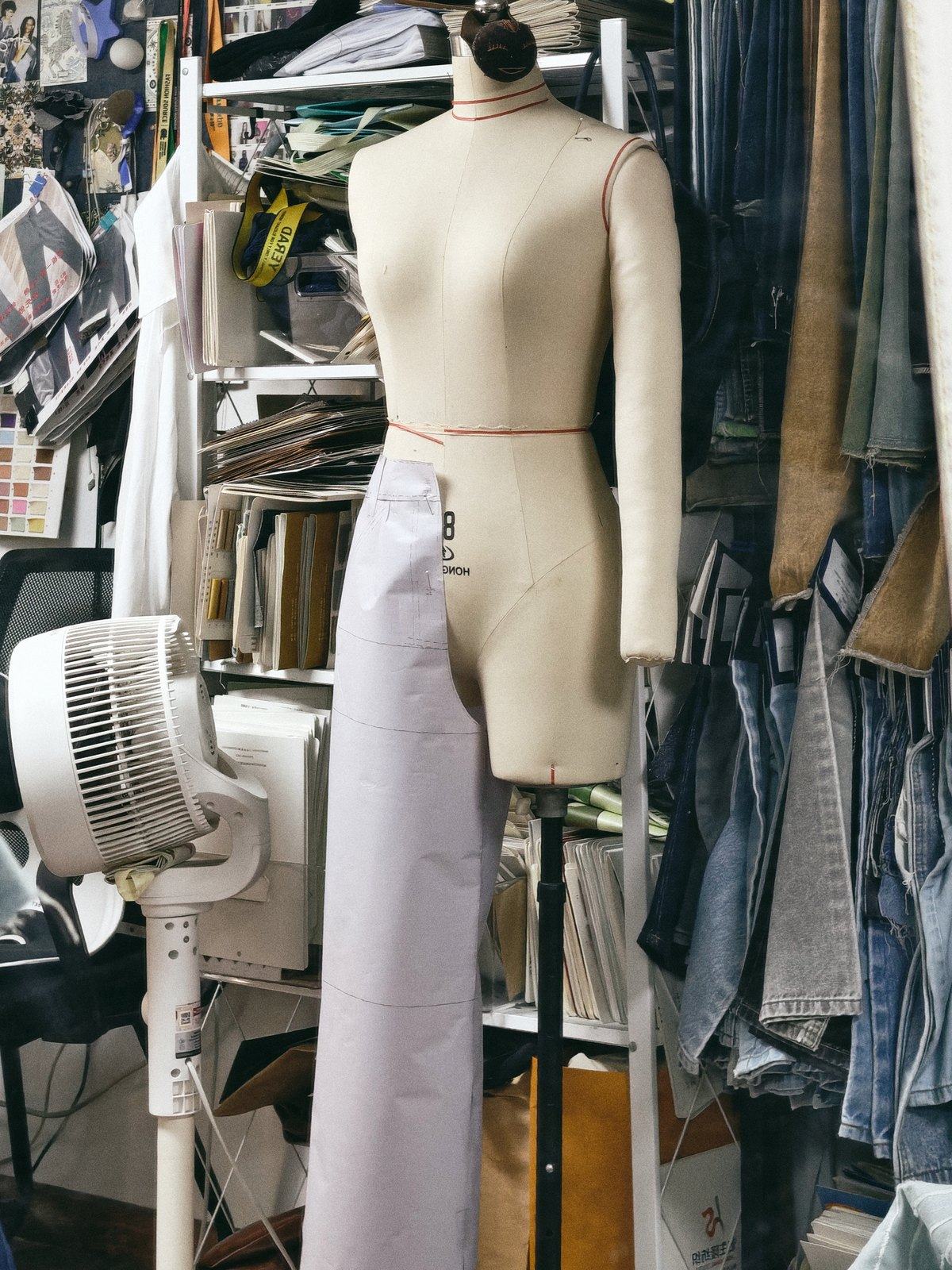
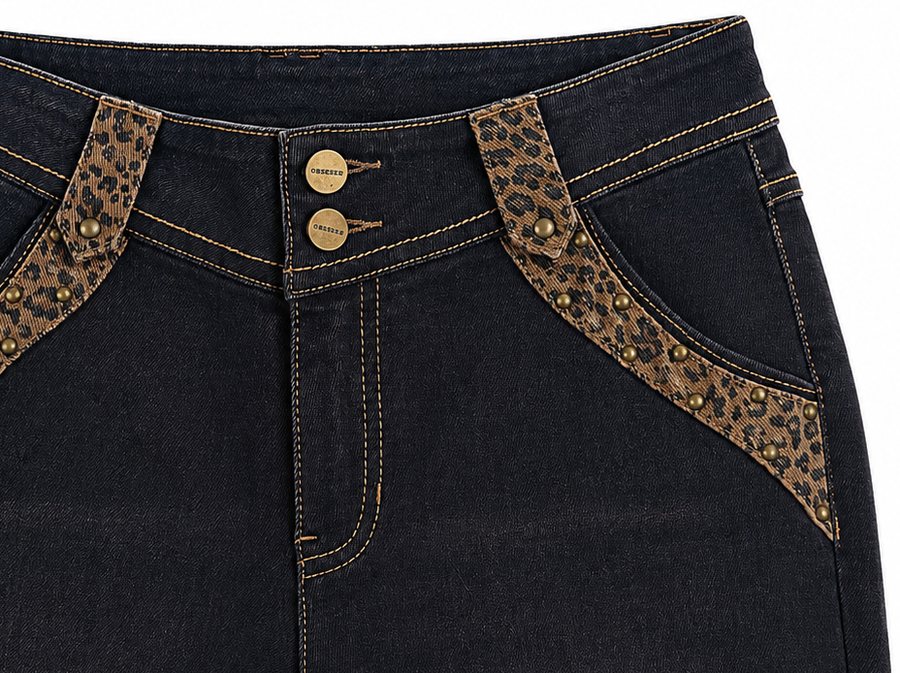
Once you approve a sample, we seal it. Measurements, construction, wash shade, trims and label placement are all judged against that garment for the rest of the order.
It sounds obvious. In practice it is the single thing that separates a factory that argues with you about a measurement from one that looks at the sealed sample and agrees.
What we don't have.
No in-house testing lab. No AQL report of our own — an inspection body issues that, not the factory being inspected, and pretending otherwise would be meaningless anyway.
What we do instead: we hold the goods for your inspection date, prepare the cartons and documents for it, and treat the report as the buyer's document it is supposed to be.
If compliance and inspection are central to your channel, say so in the first email. We will tell you before sampling whether we can meet it — or whether you should place this order elsewhere.
If something goes wrong.
You get photographs and the numbers before the goods leave, not an apology after they land. Then you decide: rework, a discount, or hold the balance until it is right.
We do not ship a problem and hope it clears customs. The packing list and the statement go to you before the balance is due, so you know exactly what is in the cartons you are paying for.
Documents with every shipment.
Commercial invoice, packing list, carton marks, size ratio and quantity per carton — plus the sealed sample reference if you need it back. Third-party inspection is welcome at any stage, and we will adjust the schedule to make room for it.